
AI & Sales
The Death of Lead Forms
Why Future Customers Will Talk to AI Instead of Filling Out Forms
For more than two decades, websites and digital businesses relied on a single conversion mechanism: the lead form.
QuantumBot
Feb 20, 2026
Accelerate your growth with innovation AI, automations, and intelligents digital solutions - built to move your business forward.

CMMI Level 5 Certified
Highest Process Optimization Level
Transform your business with our AI strategy framework powered by intelligent automation and data-driven insights.
Getting to know each other
multiple concepts for you
until we hit the sweet spot
complete file with all necessary formats
Understanding your brand and goals.

Sketching ideas and building foundation.

Iterating for perfection.

Providing a complete scalable identity.

Comprehensive technology solutions tailored to transform your business and drive innovation
Artificial Intelligence & Machine Learning
AI/ML transforms how businesses operate by automating processes, improving decision-making, and turning raw data into meaningful insights. We build scalable, high-accuracy systems that power real-time analytics, intelligent automation, and conversational experiences. Our solutions span computer vision, NLP, predictive modeling, autonomous agents, and enterprise-grade MLOps, enabling organizations to modernize operations and unlock new efficiencies. Whether you're integrating AI into existing products or building advanced AI platforms from scratch, we provide complete research, development, and deployment support.
Strategic Consultancy
Strategic Consultancy helps organizations plan, execute, and scale their technology initiatives with clarity and control. We guide businesses through digital transformation, product planning, and technical decision-making to ensure every investment delivers real value. Our approach combines industry expertise, hands-on execution, and long-term roadmap planning. Whether you’re modernizing systems, building new products, or scaling engineering teams, we offer end-to-end support designed to reduce risks and accelerate outcomes.
Enterprise Solution
Enterprise Solutions help organizations streamline operations, eliminate manual processes, and build scalable digital ecosystems tailored to their business workflows. We design and implement robust ERP platforms that unify finance, HR, inventory, supply chain, CRM, and other core functions into a single intelligent system. Whether you need a custom ERP, Odoo-based implementation, or complex integrations, our solutions ensure agility, automation, and long-term operational efficiency across the entire enterprise.
Cloud & DevOps Services
Cloud & DevOps Services enable organizations to modernize infrastructure, improve deployment speed, and operate with higher reliability and scalability. We design cloud-native architectures, automate development pipelines, and ensure seamless migration to AWS, Azure, or Google Cloud. Our approach focuses on reducing operational overhead through IaC, containerization, and serverless technologies while improving performance and security. Whether transforming legacy systems or building new distributed platforms, we deliver resilient, cost-optimized, and highly available cloud ecosystems.

Cybersecurity & Compliance
Cybersecurity & Compliance services help organizations protect digital assets, maintain regulatory standards, and ensure business continuity in an increasingly complex threat landscape. We secure applications, networks, and cloud environments using modern security frameworks, automated assessments, and real-time threat monitoring. Our approach enhances resilience by integrating security into development processes, conducting compliance readiness checks, and offering rapid incident response. Whether safeguarding sensitive data or preparing for audits, we provide end-to-end protection built for scale and evolving risks.
Data Engineering & Analytics
Data Engineering & Analytics empowers organizations to turn raw, disconnected data into meaningful insights, enabling smarter decisions and scalable digital transformation. We design modern data ecosystems that unify data from multiple sources, ensure reliability, and support real-time analytics. Our expertise spans big data processing, cloud warehousing, ETL automation, and enterprise dashboards, helping companies unlock hidden opportunities. Whether building data lakes, optimizing pipelines, or enabling AI readiness, we deliver secure, high-performance systems tailored to business goals.
A powerful stack of AI tools and modern technologies enabling high performance, precision, and scalability across all our solutions.

Discover our cutting-edge AI solutions that are transforming industries and driving the future of intelligent automation.
Everything you need to connect, organize, and collaborate - powered by AI.
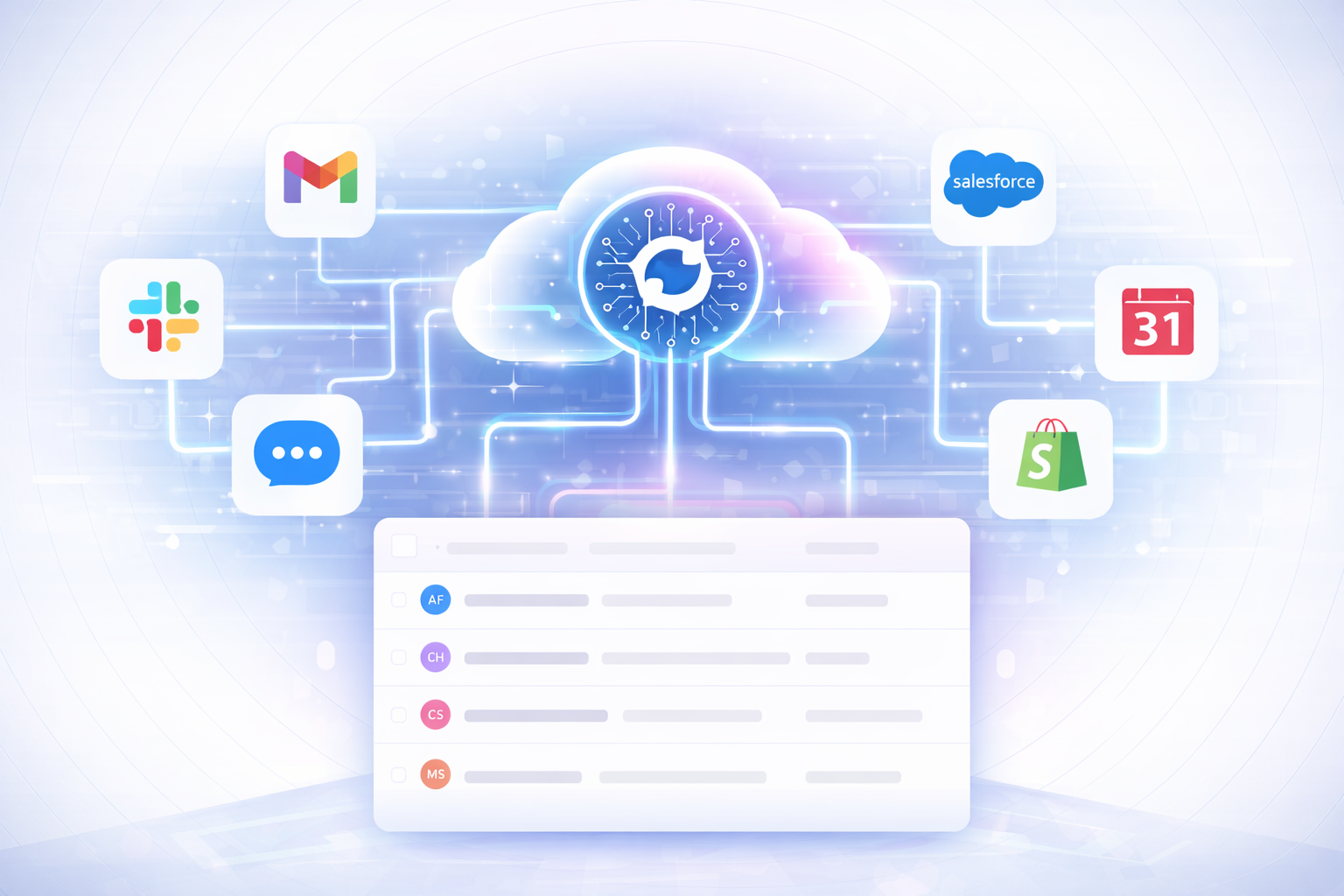
Automatically connect, understand, and structure your data using AI.
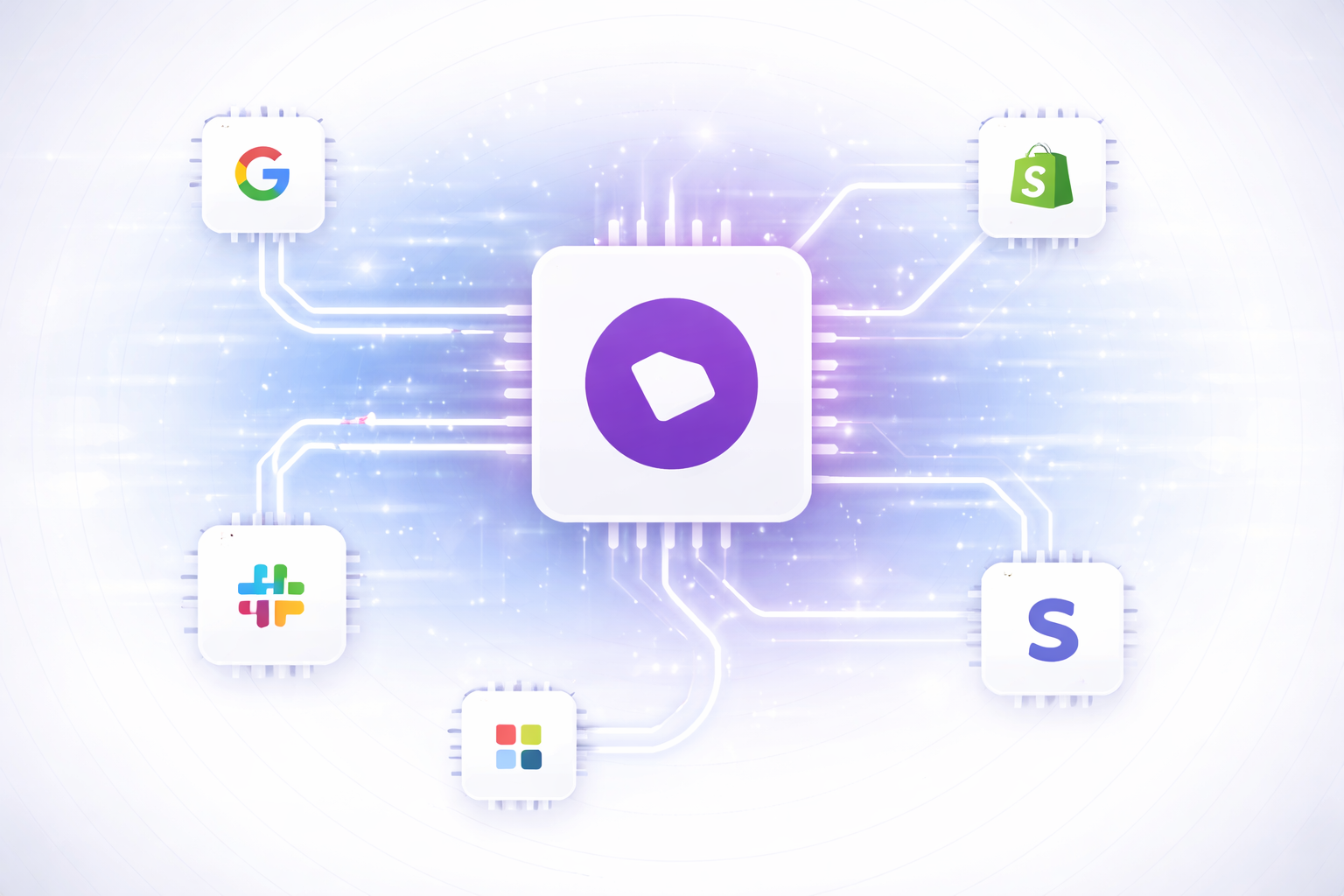
Seamlessly integrate AI with all your tools and platforms.
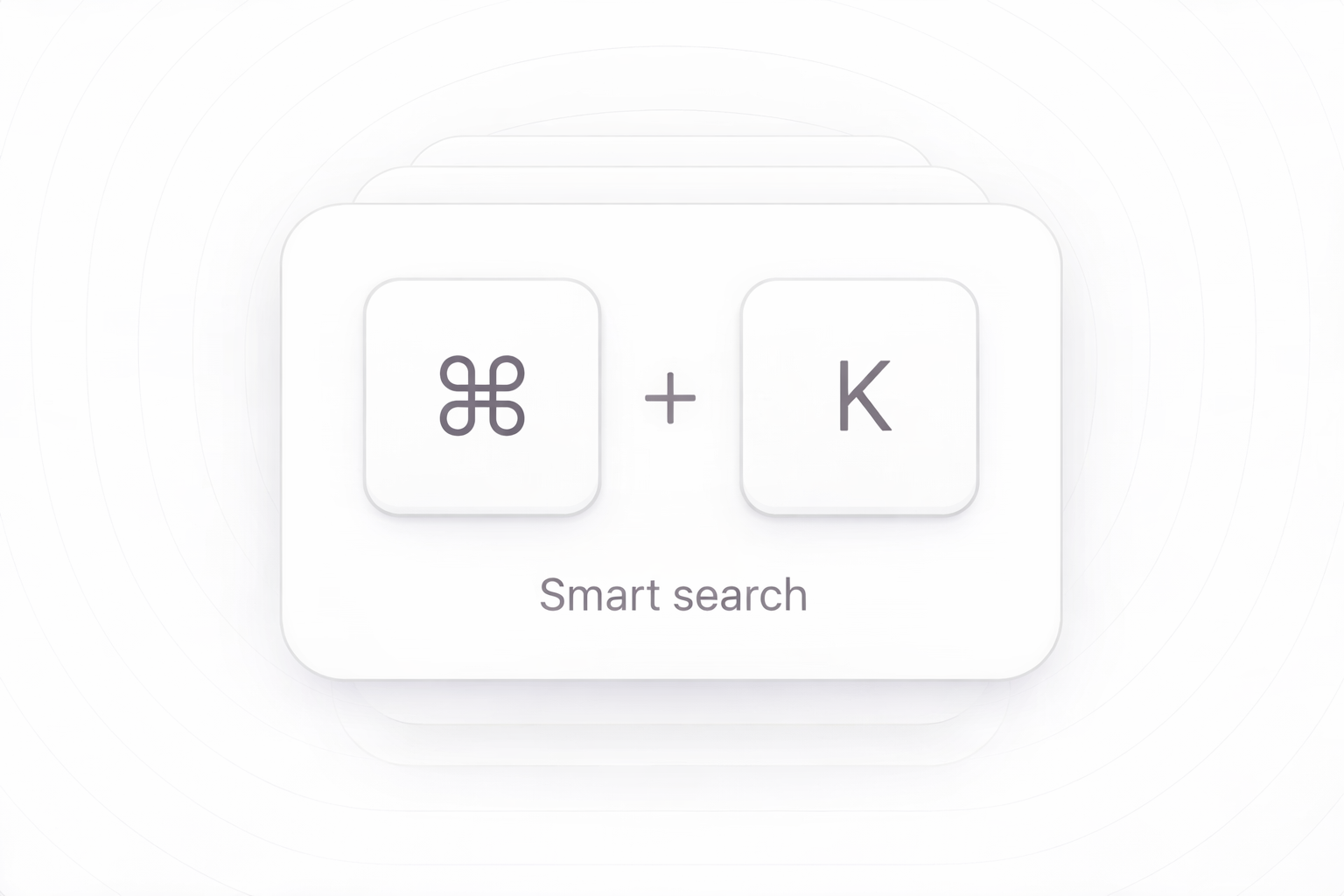
Search and command your system using natural language.
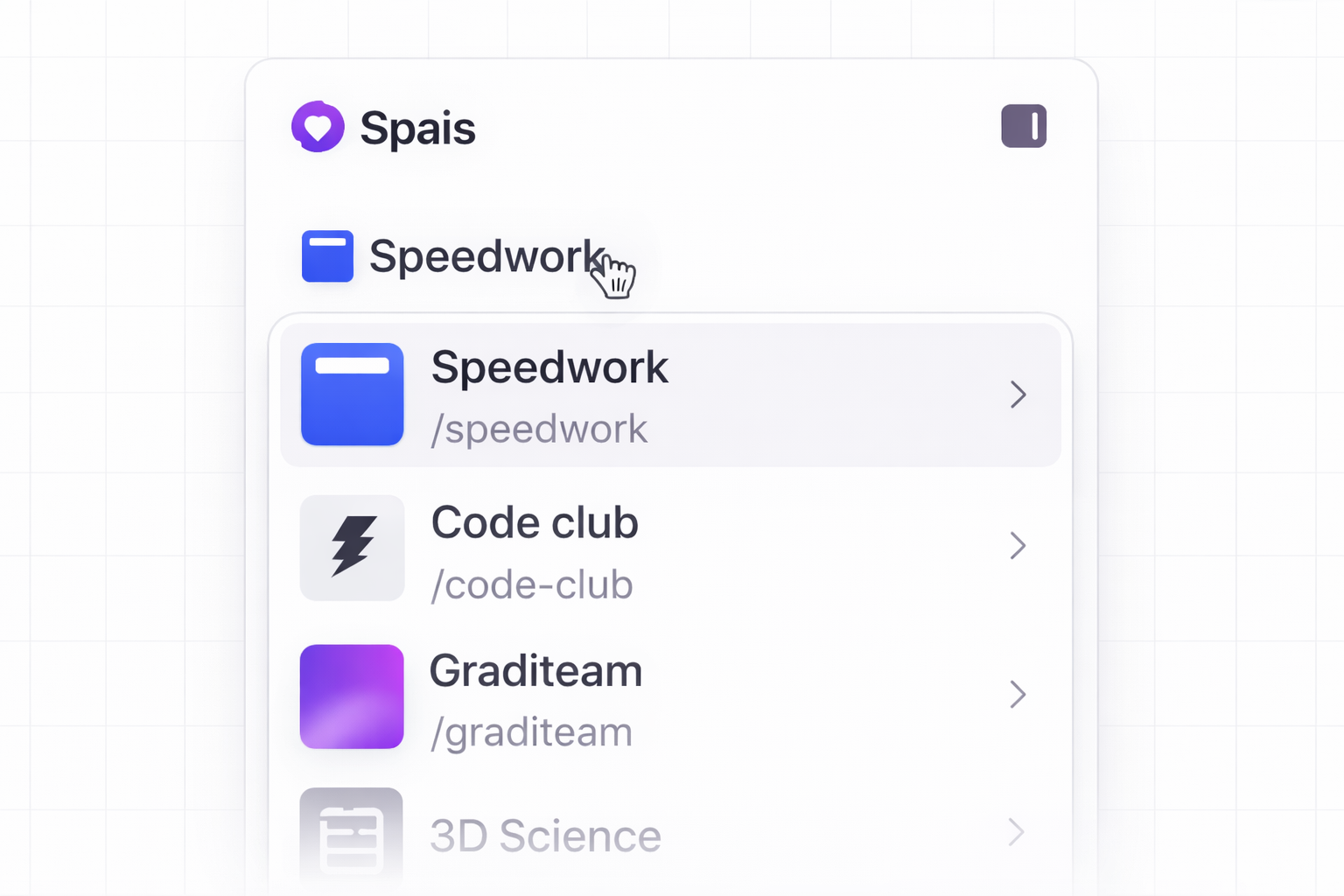
Organize projects intelligently with AI-assisted workflows.

Collaborate smarter with AI-powered insights and automation.
OurCase showcases the real impact of our digital solutions across industries. Each project reflects innovation, strategy, and measurable results
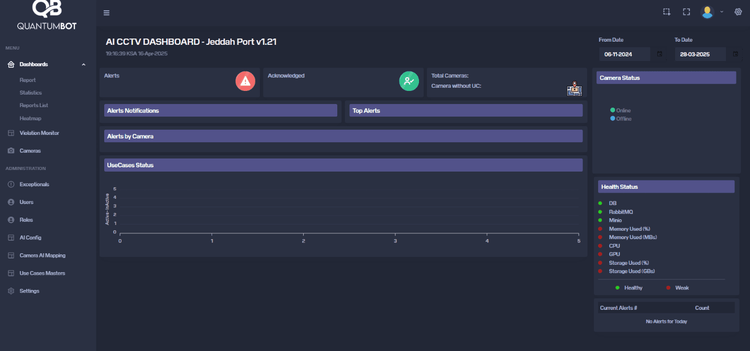
1. Problem Statement
Traditional traffic surveillance systems struggle with real-time violation detection, inefficient incident reporting, and manual monitoring limitations. The lack of intelligent analytics leads to delayed responses, high violation rates, and poor resource utilization. Authorities needed an automated, scalable solution to improve traffic safety, reduce manual efforts, and gain actionable insights from surveillance data.
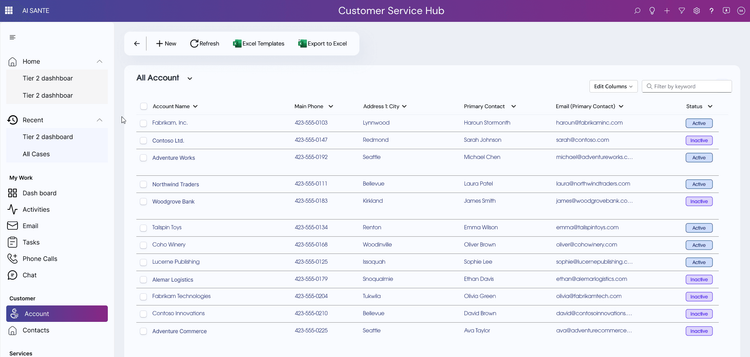
1. Problem Statement
Businesses today struggle with fragmented customer service, inefficient sales processes, and disconnected marketing efforts due to legacy CRM systems lacking automation and AI-driven insights. Manual case handling, disjointed lead management, and ineffective campaign tracking result in delayed responses, lost opportunities, and poor customer experiences. Organizations need a unified, intelligent CRM solution to streamline operations, enhance engagement, and drive revenue growth.
1. Problem Statement
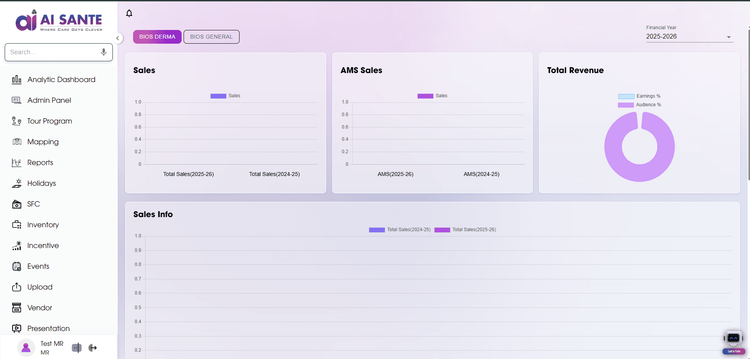
Pharmaceutical companies face inefficiencies in field operations due to manual tour planning, delayed approvals, and lack of real-time tracking for Medical Representatives (MRs). Disconnected workflows lead to compliance risks, unproductive doctor visits, and poor expense management. The absence of a centralized system caused data silos, approval bottlenecks, and limited visibility into MR activities, impacting sales performance and operational transparency.
Here Directly Our Satisfied Partners
A big shoutout to our trusted partner Quantumbot for their continuous support and collaboration with Sourcebae / Shethink in driving success through staff augmentation. Your consistent delivery of skilled talent, quick turnaround, and dedication to quality have been instrumental in helping us scale efficiently and meet our client needs seamlessly. We truly value this partnership and look forward to achieving many more milestones together!
Annie Shrivastava
Sales Head , Sourcebae
I wanted to take a moment to express my appreciation for the efforts and support you and your team have provided throughout the development of the Streefi application. The collaboration has been valuable, and your contribution has played a key role in shaping the project to this stage. A special thanks to you for your consistent communication, clear understanding of the project requirements, and dedication in managing coordination between teams. Your professionalism and proactive approach have been truly commendable. While every project comes with its own challenges, I genuinely acknowledge the hard work and commitment shown by everyone involved. It has been a good experience working together, and I wish your team continued success in all future endeavors. Thank you once again for your time, efforts, and cooperation. –Team Streefi
Marlin Joseph
Vice President, Streefi
I would like to share my appreciation for the QuantumBot development team. It’s been a great experience working with your team — the communication, technical expertise, and dedication throughout the project have been excellent. Your team has delivered high-quality work and shown great professionalism in understanding our requirements and providing effective solutions. We truly value the partnership and look forward to continuing our collaboration on future projects. Keep up the great work!

Mukesh Vasani
Chairman, Aimtron Electronics Limited
Working with QuantumBot has been a truly positive experience. Their skilled and dedicated Python full stack developers consistently deliver high-quality work. The team is organized, responsive, and always quick with updates and support. Our internal teams and clients highly appreciate their professionalism. Special thanks to Ms. Preeti for her smooth coordination and supportive nature. We truly value our partnership with QuantumBot and look forward to continued collaboration.
Ritu Kolariya
Business Development Executive, Codevian Technologies
A big shoutout to our trusted partner Quantumbot for their continuous support and collaboration with Sourcebae / Shethink in driving success through staff augmentation. Your consistent delivery of skilled talent, quick turnaround, and dedication to quality have been instrumental in helping us scale efficiently and meet our client needs seamlessly. We truly value this partnership and look forward to achieving many more milestones together!
Annie Shrivastava
Sales Head , Sourcebae
I wanted to take a moment to express my appreciation for the efforts and support you and your team have provided throughout the development of the Streefi application. The collaboration has been valuable, and your contribution has played a key role in shaping the project to this stage. A special thanks to you for your consistent communication, clear understanding of the project requirements, and dedication in managing coordination between teams. Your professionalism and proactive approach have been truly commendable. While every project comes with its own challenges, I genuinely acknowledge the hard work and commitment shown by everyone involved. It has been a good experience working together, and I wish your team continued success in all future endeavors. Thank you once again for your time, efforts, and cooperation. –Team Streefi
Marlin Joseph
Vice President, Streefi
I would like to share my appreciation for the QuantumBot development team. It’s been a great experience working with your team — the communication, technical expertise, and dedication throughout the project have been excellent. Your team has delivered high-quality work and shown great professionalism in understanding our requirements and providing effective solutions. We truly value the partnership and look forward to continuing our collaboration on future projects. Keep up the great work!
Mukesh Vasani
Chairman, Aimtron Electronics Limited
Working with QuantumBot has been a truly positive experience. Their skilled and dedicated Python full stack developers consistently deliver high-quality work. The team is organized, responsive, and always quick with updates and support. Our internal teams and clients highly appreciate their professionalism. Special thanks to Ms. Preeti for her smooth coordination and supportive nature. We truly value our partnership with QuantumBot and look forward to continued collaboration.
Ritu Kolariya
Business Development Executive, Codevian Technologies
Join hundreds of businesses already transforming their customer experience.
Discover insights, ideas, and industry trends from our expert team. Our Blog brings you practical knowledge to stay ahead in the digital world.
For more than two decades, websites and digital businesses relied on a single conversion mechanism: the lead form.

A CEO once told me something very honest during a discussion.
He said:

How AI Can assist in Sales :
In today’s fast paced business environment, sales teams need further than traditional methods to succeed. synthetic Intelligence (AI) is transforming how companies identify prospects , engage customers , and adjacent deals . By combining data analytics, automation, and prognostic modeling, AI empowers businesses to sell smarter, faster , and further effectively. At QuantumBot , we leverage AI driven tools to help sales teams unlock their full potential .

No two businesses think alike. We analyze your challenges and craft AI-driven solutions that work smarter, faster, and better for you.
Tell us about your business challenges and goals
Get expert guidance on AI, automation, and digital services
We develop and integrate intelligent solutions seamlessly
Monitor, improve, and scale with continuous AI innovation
QuantumBot holds comprehensive certifications across security, quality, and compliance standards.










Harness the power of QuantumBot-enhanced AI for faster insights, stronger security, and smarter decision making. Join hundreds of businesses scaling with us today.
Get Started Now